
Technology
One platform. Cooling and carbon capture.
Our patented Hollow Fiber technology platform uses the low-grade waste heat data centers already produce to cool efficiently, and to capture CO₂ and water directly from ambient air while doing it.
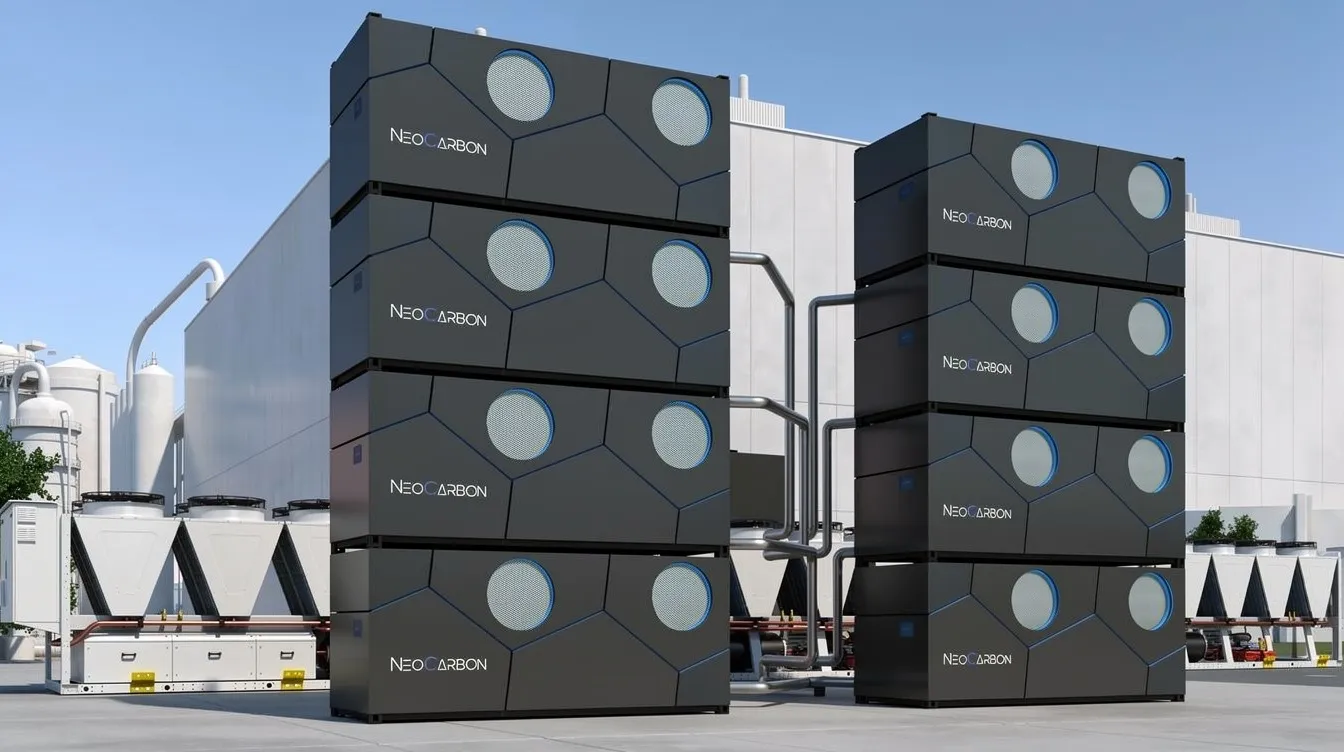
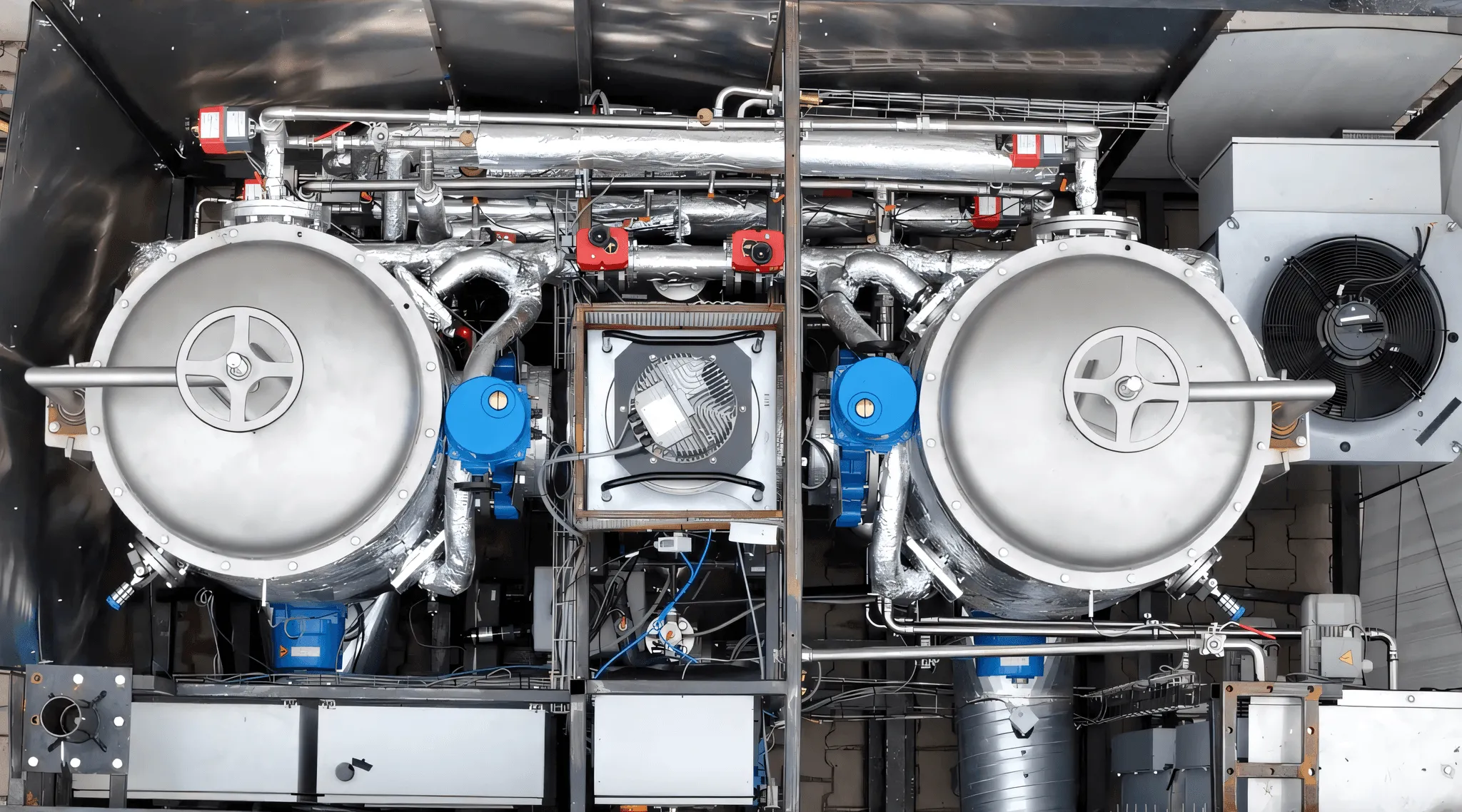
Our unit in autonomous operation at Kurita's R&D center.
01The insight
The infrastructure for carbon capture already exists
Most industrial waste heat is low-grade, 30 to 60 °C. It is too cool for district heating, too abundant to ignore, and today it is simply dissipated into the air. At a cost, with growing regulatory pressure to do better.
Direct air capture needs exactly this kind of heat. So instead of building new, energy-hungry capture plants from scratch, we retrofit the infrastructure that is already permitted, already paid for, and already operating, and turn its waste stream into cooling, CO₂, and water.
02How it works
Capture. Release. Repeat.
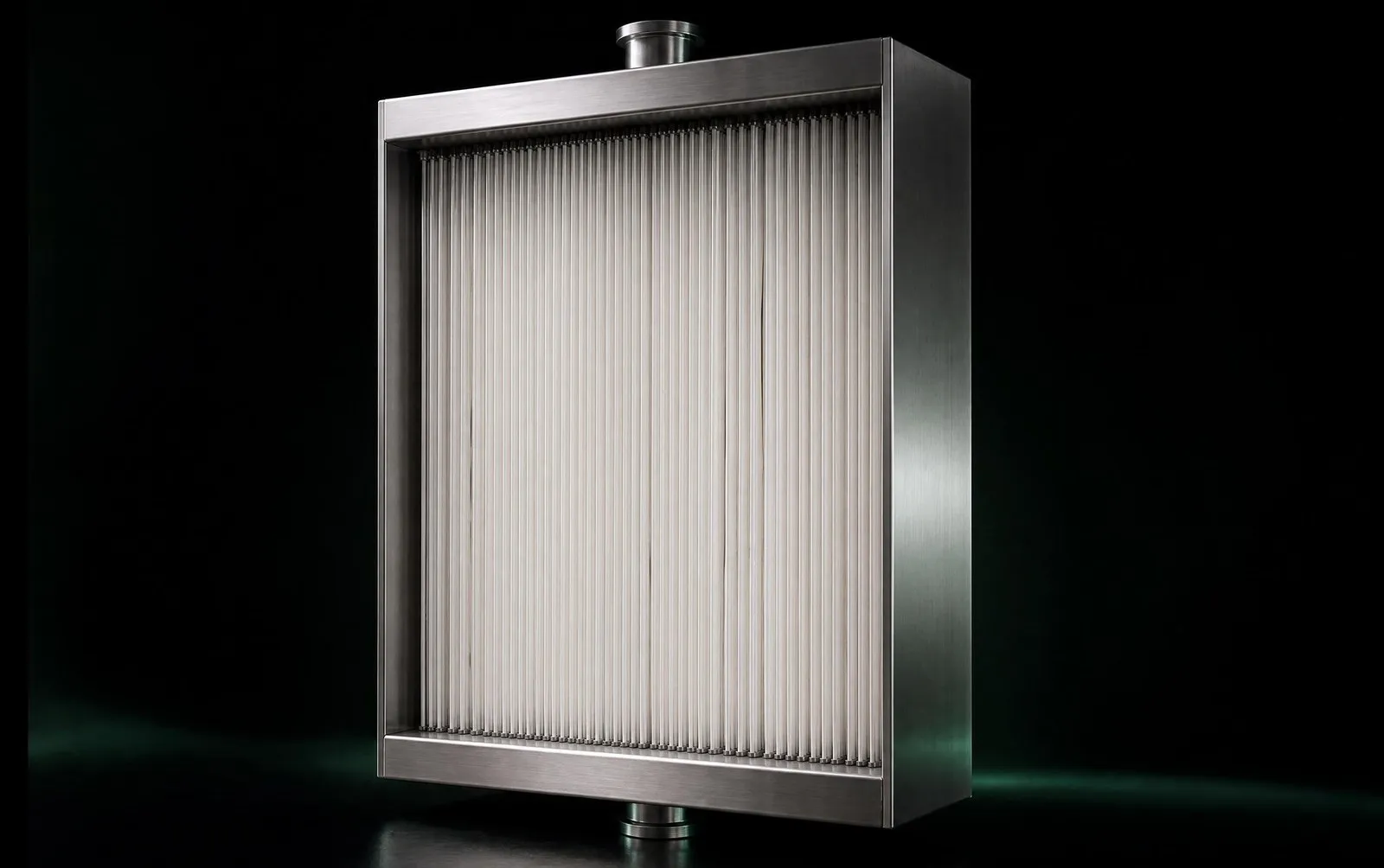
The cartridgeA Hollow Fiber bundle
Thousands of hollow fibers are packed into cartridges like this one. Every NeoCarbon unit holds an array of them, and each fiber runs the same two-phase cycle.
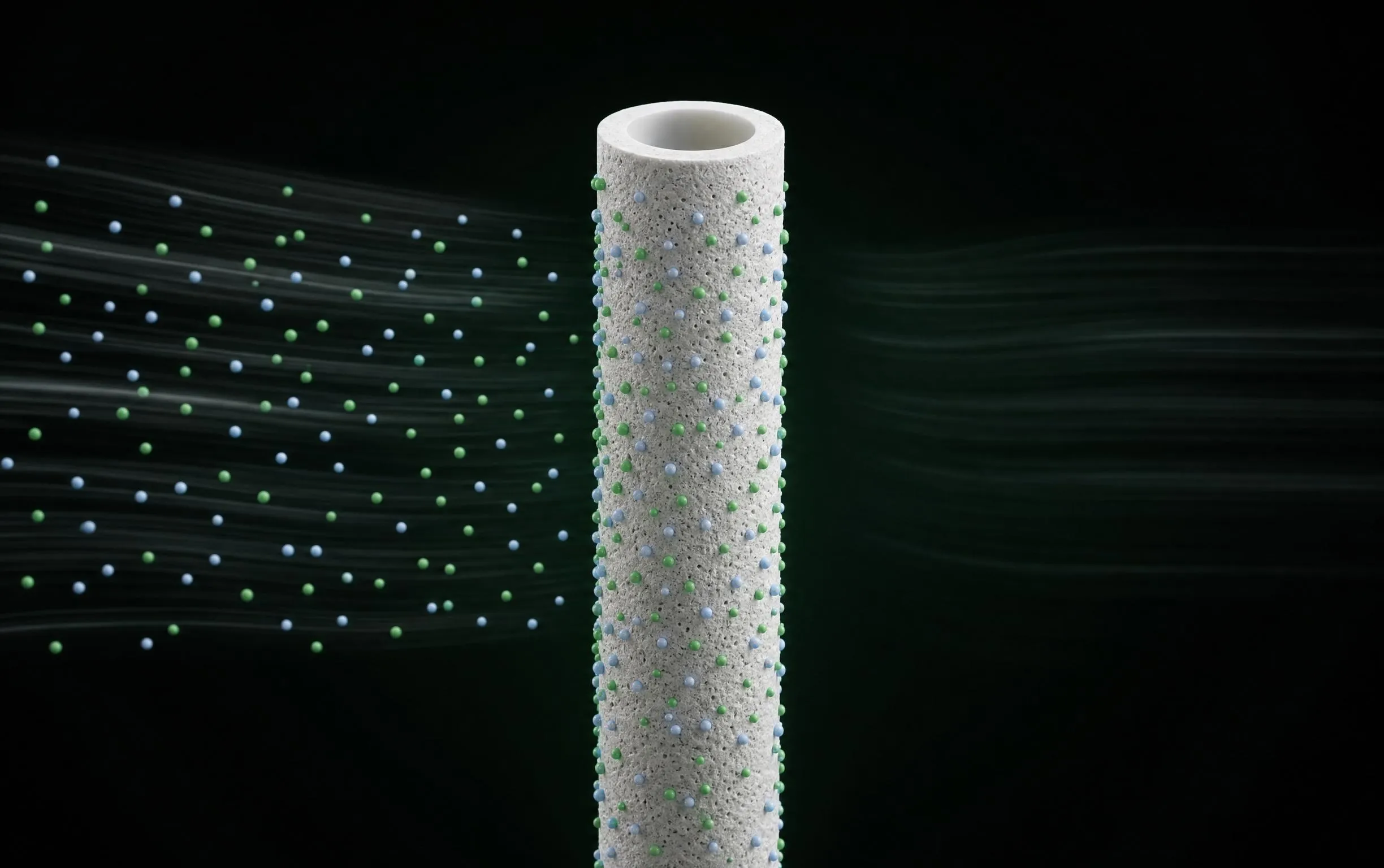
Phase 1Adsorption & cooling
CO₂ and H₂O are captured from the air onto the hollow fibers.
Dry and evaporative cooling is delivered to the water inside the fibers, saving cooling electricity.
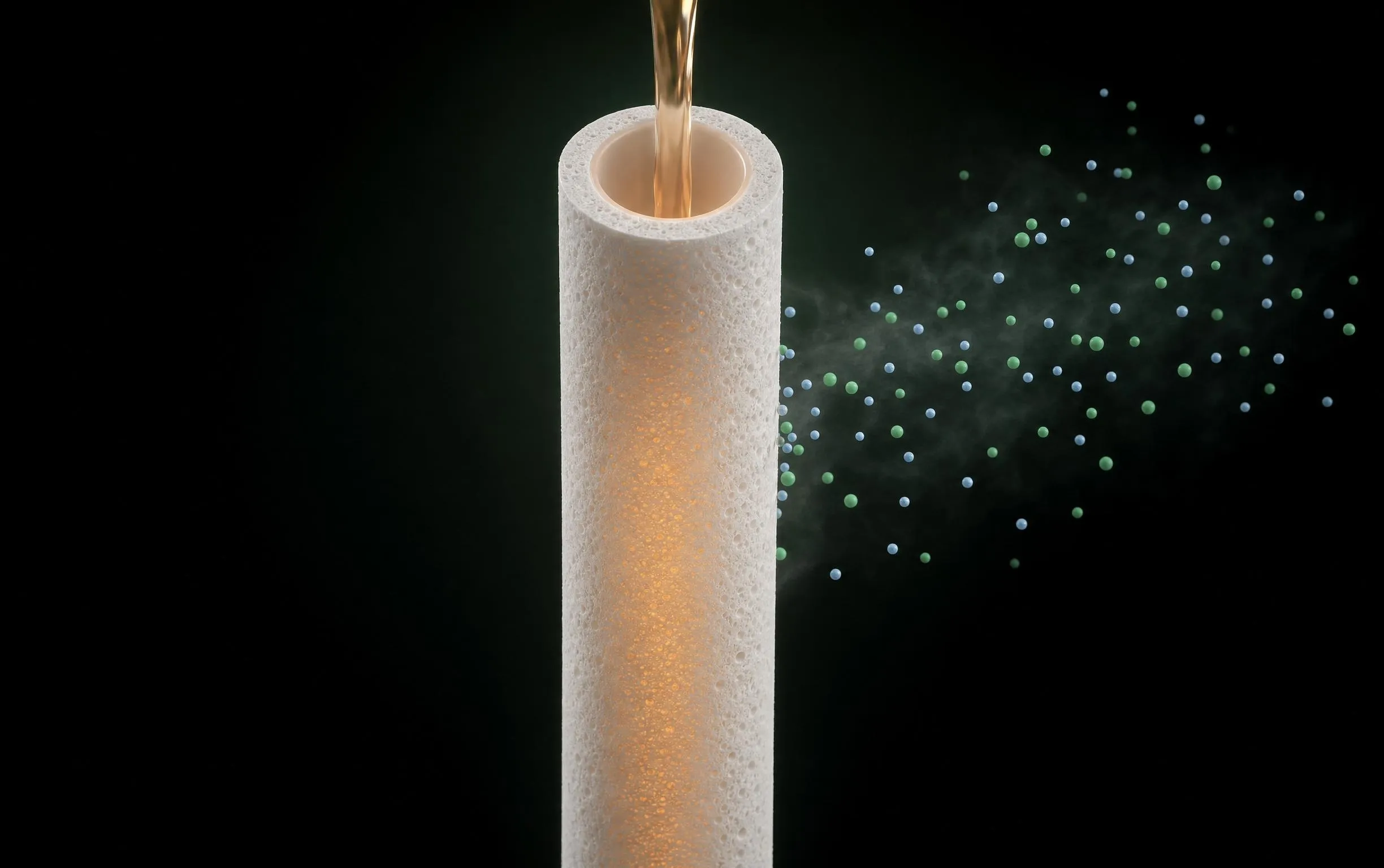
Phase 2Desorption & cooling
Waste heat is consumed by steam formation and CO₂ release, generating cooling in the process.
CO₂ and H₂O are collected from the hollow fibers and stored, at purities of up to 99%.
Inside The fiber
Nanoporous outer layer
The CO₂-reactive surface where capture happens: air passes over it, and CO₂ and water bind.
Water-carrying core
Water flowing through the core carries the cooling away during capture, and warm water later releases the captured CO₂ and water for collection.
The cycle repeats continuously, has no moving parts in the capture bed, and flexibly adapts to the electricity available.
03Conventional DAC vs NeoCarbon
Why retrofit beats rebuild
Conventional direct air capture
- •Needs high-grade heat or a large electric load, often competing for green power
- •New greenfield plants with long build and permitting timelines
- •One output: CO₂
- •Sited where energy is cheap, not where industry needs it
NeoCarbon
- ✓Runs on low-grade waste heat from 30 °C that sites already produce
- ✓Retrofits onto infrastructure that is already permitted and operating
- ✓Three outputs from one system: cooling, CO₂, and water
- ✓Deployed where the heat already is: at the data center itself
04Design principles
Designed for the real world
Powered by low-grade waste heat
Our process runs on heat from as low as 30 °C, the kind industrial sites dissipate at a cost today. Lower energy, lower energy quality, lower footprint.
Retrofit-first
Drop-in integration into existing cooling loops, with no process redesign. Fail-safe by design: any pause simply returns the host system to its original state.
Novel & patented platform
Four patent families cover the Hollow Fiber reactor. The platform is sorbent-agnostic, as capture materials improve, our systems improve with them.
Modular & scalable
Containerized units with the same footprint as existing cooling equipment. Start small, validate, then scale, module by module.
05Proven in the field
From our Berlin workshop to autonomous industrial operation
In 2024 we sold, built, and delivered a full system to Kurita Water Industries' R&D center in Germany. It ran there for nine months, autonomously, 500 km from our Berlin HQ, powered by the site's own waste heat, with a positive impact on the host cooling system. Every KPI was met.
1,000+
autonomous operating hours
Up to 99%
CO₂ purity in real-world conditions
TRL 6
validated in an industrial environment
Plug & play
no new host infrastructure
“The partner doesn’t need to rebuild all the infrastructure.”
06The output
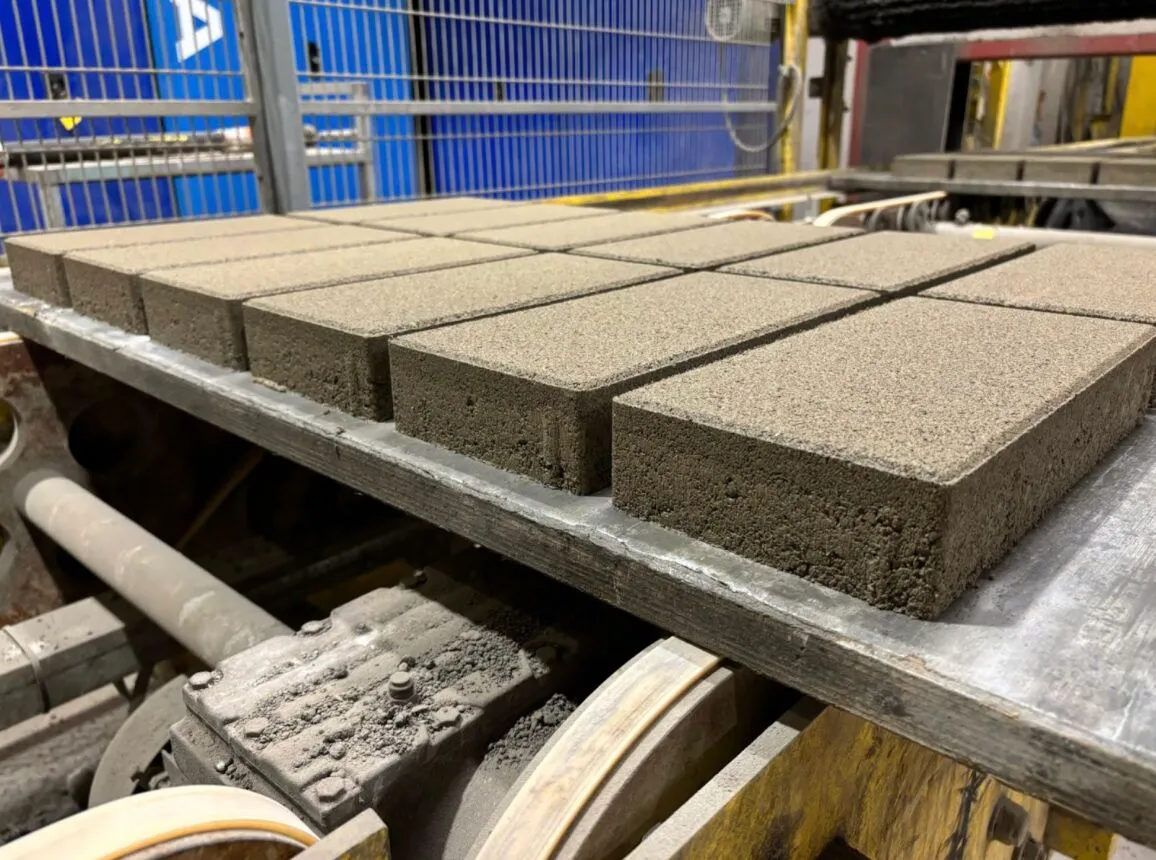
Where the CO₂ goes


07Research & development
Built on real R&D
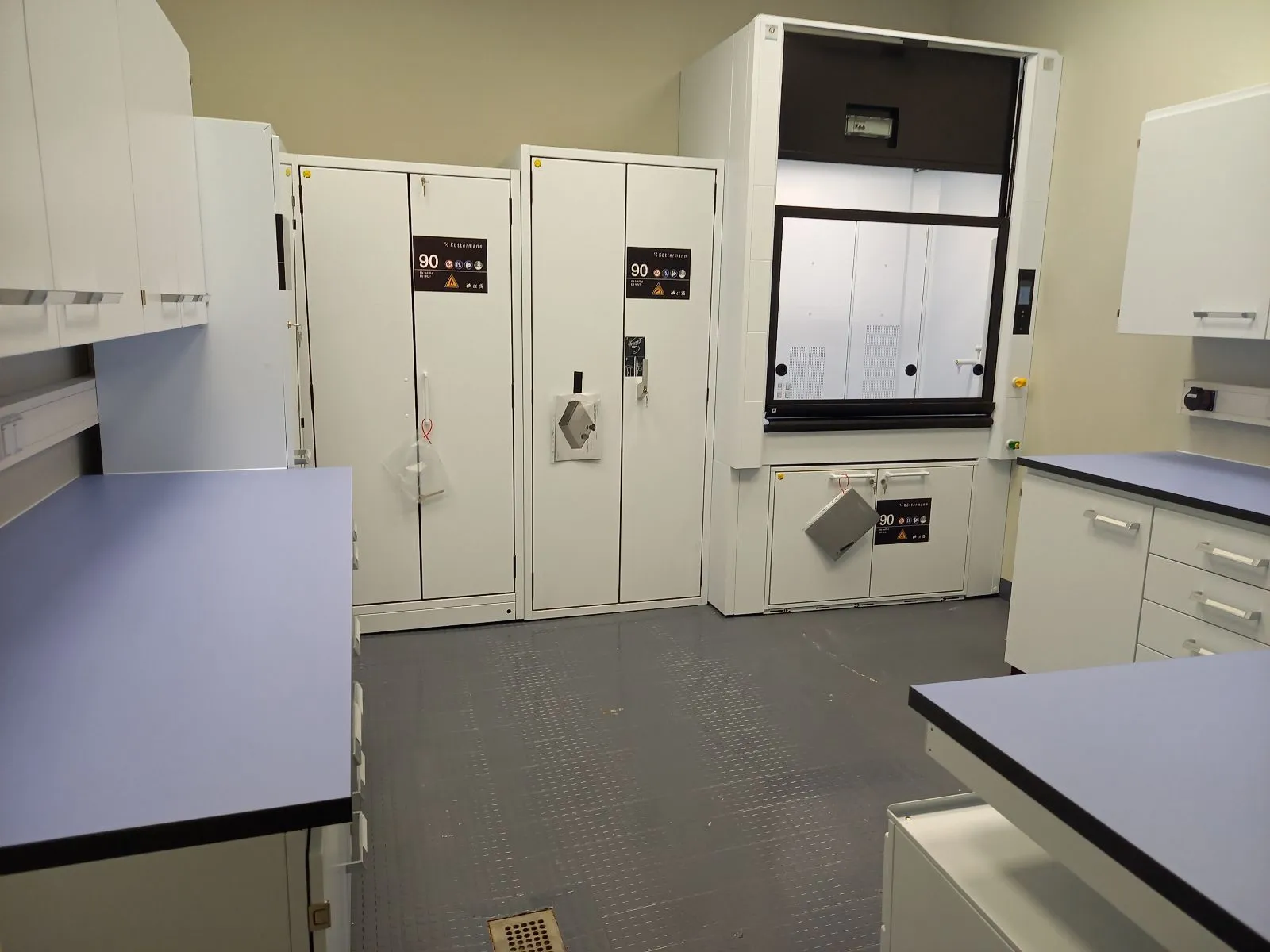
Our Berlin chemistry lab develops and tests capture materials in-house, from gram-scale samples to kilogram-scale validation. Because the Hollow Fiber platform is sorbent-agnostic, every material improvement flows straight into the product.
Join the team building it →08Common questions
Questions engineers ask us
What powers the process?
Low-grade waste heat from as low as 30 °C does the heavy lifting, with a small and flexible electricity load for fans and controls. The process adapts to the electricity available.
Does it consume water?
No. The process is water-positive: it recovers water from ambient air rather than evaporating it away, so it can deliver evaporative-grade cooling without water loss.
What happens if a unit pauses?
Nothing dramatic. The system is fail-safe by design: any pause simply returns the host cooling system to its original state. No process redesign is required to install or to stop.
How proven is the technology?
Our system ran for over 1,000 autonomous hours at an industrial site in real-world conditions, reached up to 99% CO₂ purity, and met every pilot KPI. The platform is validated at TRL 6.
Where does the captured CO₂ go?
To use or to durable storage: industrial offtake in food & beverage, permanent mineralization in concrete, or carbon removal credits through offtake partners.
Will it fit an existing site?
That is the point. Containerized modules match the footprint of existing cooling equipment, connect to standard utility interfaces, and scale module by module.
See what our technology can do at your site.
Tell us about your infrastructure and waste-heat profile, we'll explore the integration options together.